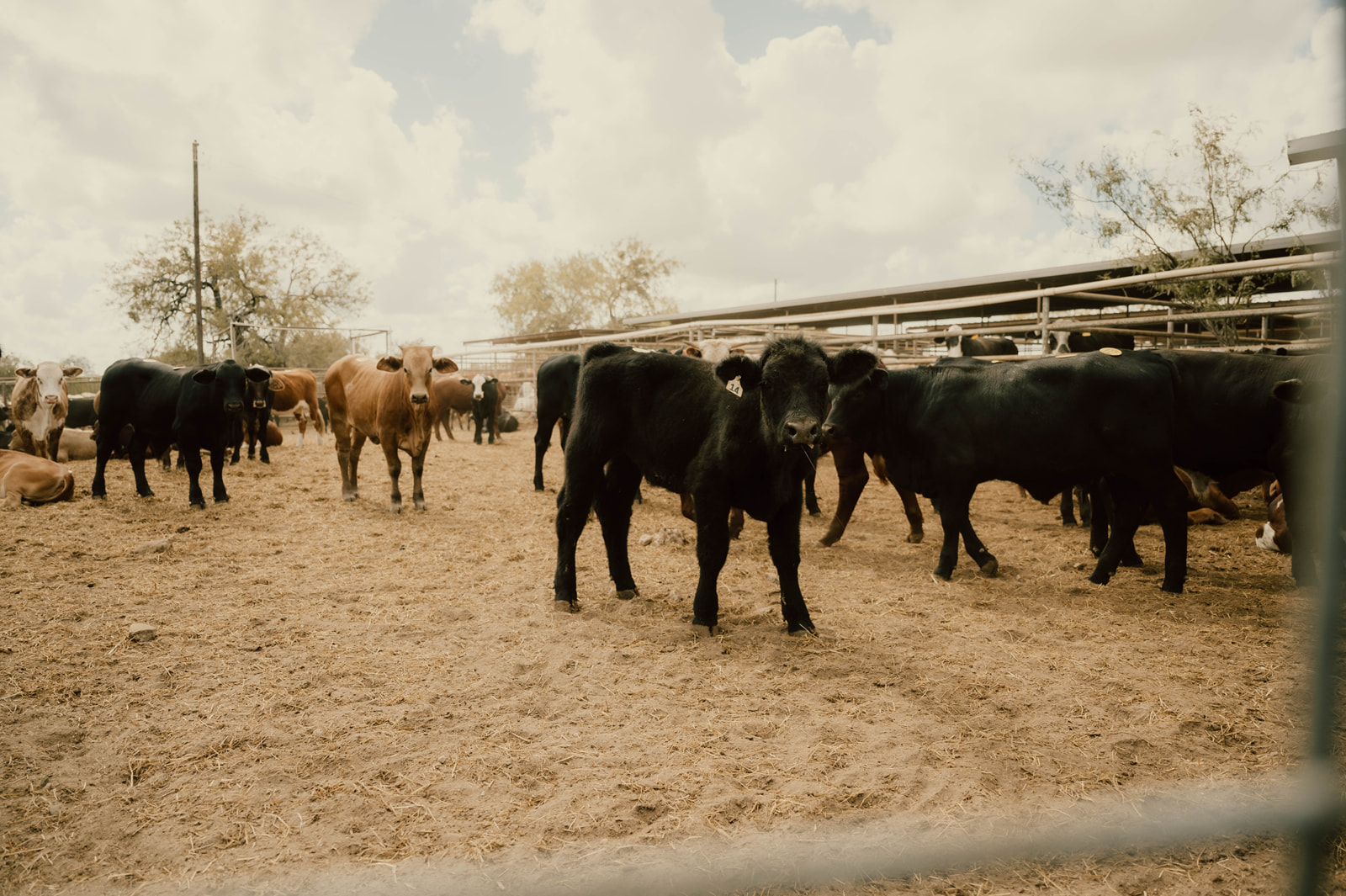
Need Help Marketing Your Livestock?
Visit our livestock auction in Karnes City, TX
Contact Us

If you're looking to fill your feed yard or ranch with some new cattle, plan a trip to Karnes City Auction in Karnes City, TX. We host cattle auctions every Saturday with livestock from local ranchers. We also make sure all of our cattle are up-to-date on their vaccines and properly tagged.
Contact us today to learn more about our next livestock auction.
 We'll be happy to auction your livestock
Do you have one too many bulls on your ranch? Is it time to sell some of the goats in your herd? Bring your animals to our livestock auction. Every Saturday we host a wide range of auctions, including:
Give us a call at 830-780-3382 to learn more about our auction services.
For over 50 years, Karnes City Auction has been helping folks from all over Texas buy and sell livestock. We take pride in helping ranchers get the most for their livestock while also helping buyers get the livestock they need. Whether you want to start raising horses or need some beef for your butcher shop, you're sure to find what you're looking for at our auction yard.
We'll see you cowboys on the hill!
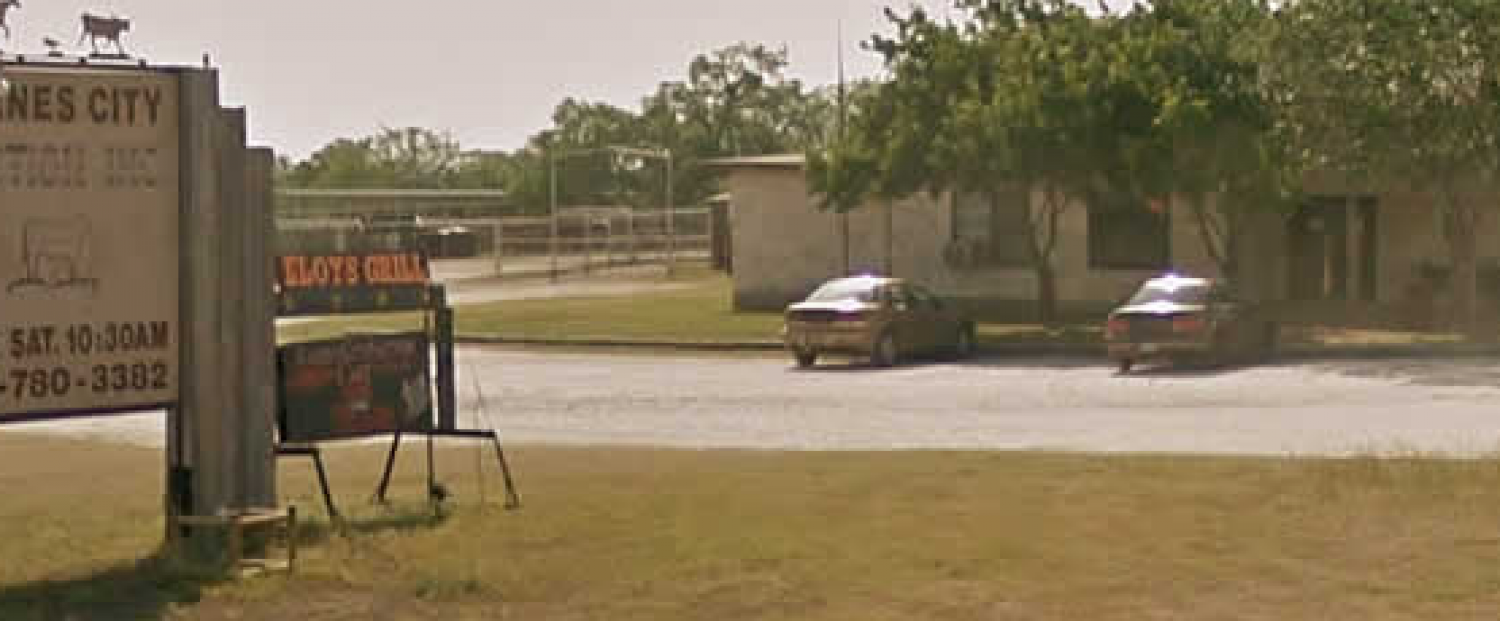
Sheep/Goat Unloading: Fridays 8am-9pm & Saturdays 8am-10am ONLY - Our auction will begin at 10am; all animals need to be ready to be auctioned off at that time.
Cattle Unloading: Fridays 8am-9pm, Saturdays 7:30 am - Noon (Preferably) but will unload as long as our auction is taking place-you will need to contact the office if this is the case. Thursdays: Please call and let us know you plan to be delivering livestock, so we can make sure someone is available to assist you.
Sheep/Goat Sale: starting at 10:30 every Saturday.
Cattle Sale: starting at 12 noon every Saturday with cows and bulls.
Calves will follow.
If you are in need of a History Report for your latest Tax Return. Please email our account (karnescityauctionllc@gmail.com) and include the following in your email:
1. Name and Ranch Name
2. Address
3. Phone Number
4. Year of History Report you are requesting.
The History Report will list the date(s) you Sold or Purchased, along with total number of head sold/purchased on that date, Gross amount and Net amount. It will NOT have a break down per head, for example a check stub or invoice given to you at time of Sale or Purchase here at Karnes City Auction. We will generate requests on Mondays and Thursdays.